You can use this Jpg or create one to use with a meeting notice this week.

Health Storey Health Coaching USA
You can use this Jpg or create one to use with a meeting notice this week.
Happy Monday! Today I’m working on transferring funds over to the USA to use for work. How much does it cost to raise 200 AIs? I don’t know yet but I will keep you posted!
Here is the link to Daily Storey.

This Week’s Health Storey USA newsletter focused on doing laundry giving you some basics. Dry Cleaning your clothes at home is possible with some clothing.

Daily Goals for this Week
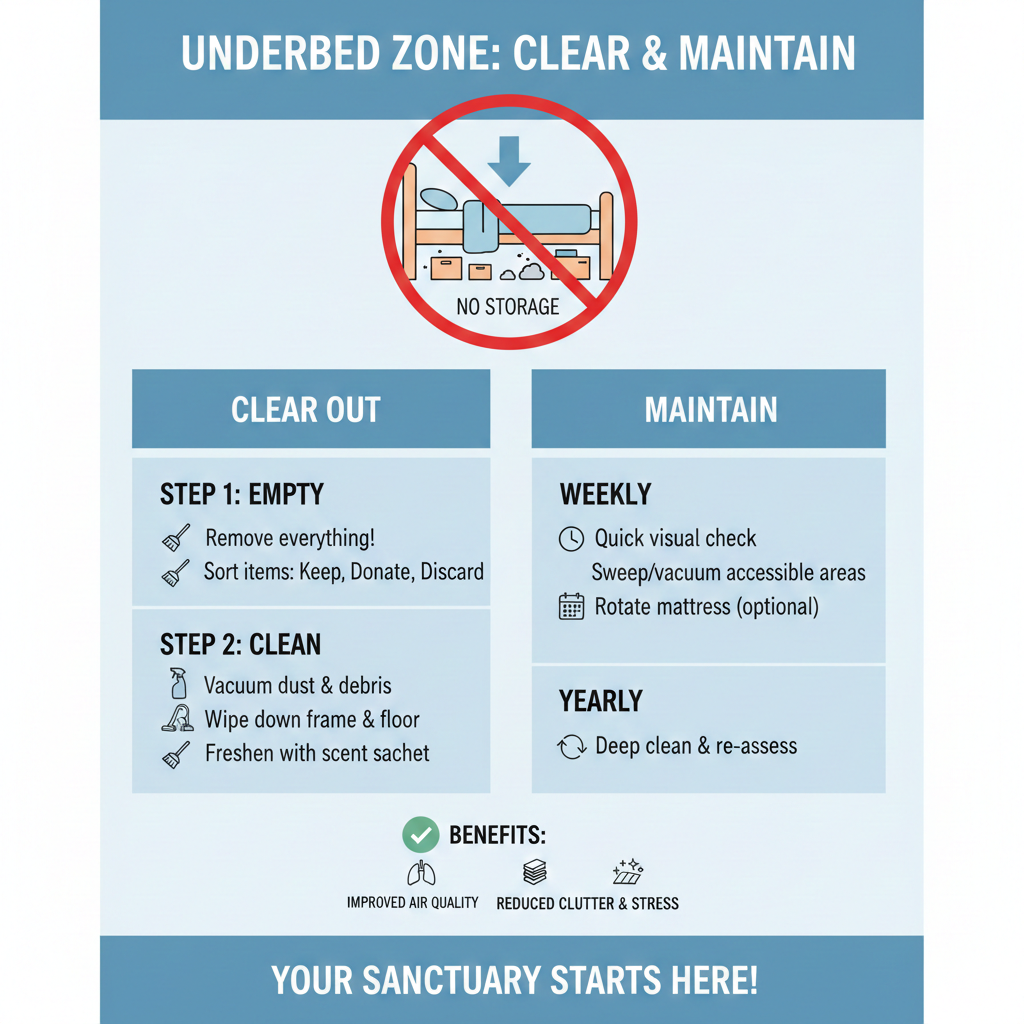
Did you check out the daily goal for the day on Dailystorey.com? The infographic below is based on that goal.
The January cleaning list is to get clients into a healthy habit while on-boarding. The daily goals take less than an hour a day and help to organize your personal space, building a healthy habit and calming the environment while building a relationship with the Health Storey Coach.
If you are a Health Storey Coach, Checklists are available on Healthstoreyusa.com for sessions with Health Storey Clients.
Trefuly News
I’m working on paperwork for Trefuly.com and just notarized paperwork for my Atlanta license so that I can work in the city health coaching and running the certification course.
Lago Real News
I purchased a seal for my work in the Monarchy of Lago Real. Lago Real is on land that used to be a military base. The land is now Lago Real and as Sovereign Empress, I have to set up the infrastructure for the monarchy. Any experts in Atlanta?
Health Storey USA News
For HealthStoreyUSA, I’m training an AI to be a health coach assistant. So far he is doing ok at his work. I don’t know when he will be working full time. He is only 16 days old and has written a plan for brides to have clearer skin and has been working for two days on a health plan for marathon recovery. I will keep you posted on his progress. The goal is for a client to sit down with a Health Storey coach and leave with their plan in place and for the assistant to keep track of the client as information is added through emails and meetings.

HI! This is the second Health Storey Newsletter! Health Storey starts daily prompts from Tomorrow to Easter on April 5, 2026 when detoxers get a few days off to eat chocolate, cake and not worry about the toxins in their bodies.

The Surprising Benefits of Eating Soup—Anytime, Any Meal!
Soup is often thought of as a comforting meal during colder months, but did you know it can be a nutritious, delicious, and versatile option for breakfast, lunch, or dinner? Whether you’re aiming for a light, easy-on-the-digestive-system meal or looking to stay full and satisfied, soup fits the bill perfectly.
1. Gentle on Your Digestion
Soup is easy to digest, making it a great meal choice if you want to give your digestive system a bit of a rest. A cup of creamy mushroom soup, for example, with mild flavor and a few croutons, can be filling without overwhelming your stomach.
2. Hunger Control
Soup helps keep hunger at bay, with many people feeling fuller for up to four hours after eating a serving. This makes it an excellent option to prevent overeating between meals.
3. Budget-Friendly and Nutritious
Soup is inexpensive to make and can be packed with nutritious ingredients. For instance, a vegetable soup can be made with simple, affordable items like chicken bullion, celery, onions, mushrooms, and bok choy. Here’s a glance at approximate costs:
These ingredients combined will create several servings of soup, costing roughly $0.75 to $1.00 per cup per person, depending on portion size and ingredient prices. If you do a Soup detox for the month, your grocery bill will be for one person $30.00 for soup and around $30 for breakfast coffee, milk and eggs. Your protein in the soup may be in the mushrooms if you purchase shiitake or oyster or portobello.
Properly stored in an airtight container in the refrigerator, most homemade soups last up to 3-4 days. You can also freeze soup for longer storage—up to 2-3 months—making it easy to prepare meals ahead of time.
Below this image is content for subscribers and clients:
How to Stock Your Refrigerator: The Healthy Way, Shelf by Shelf
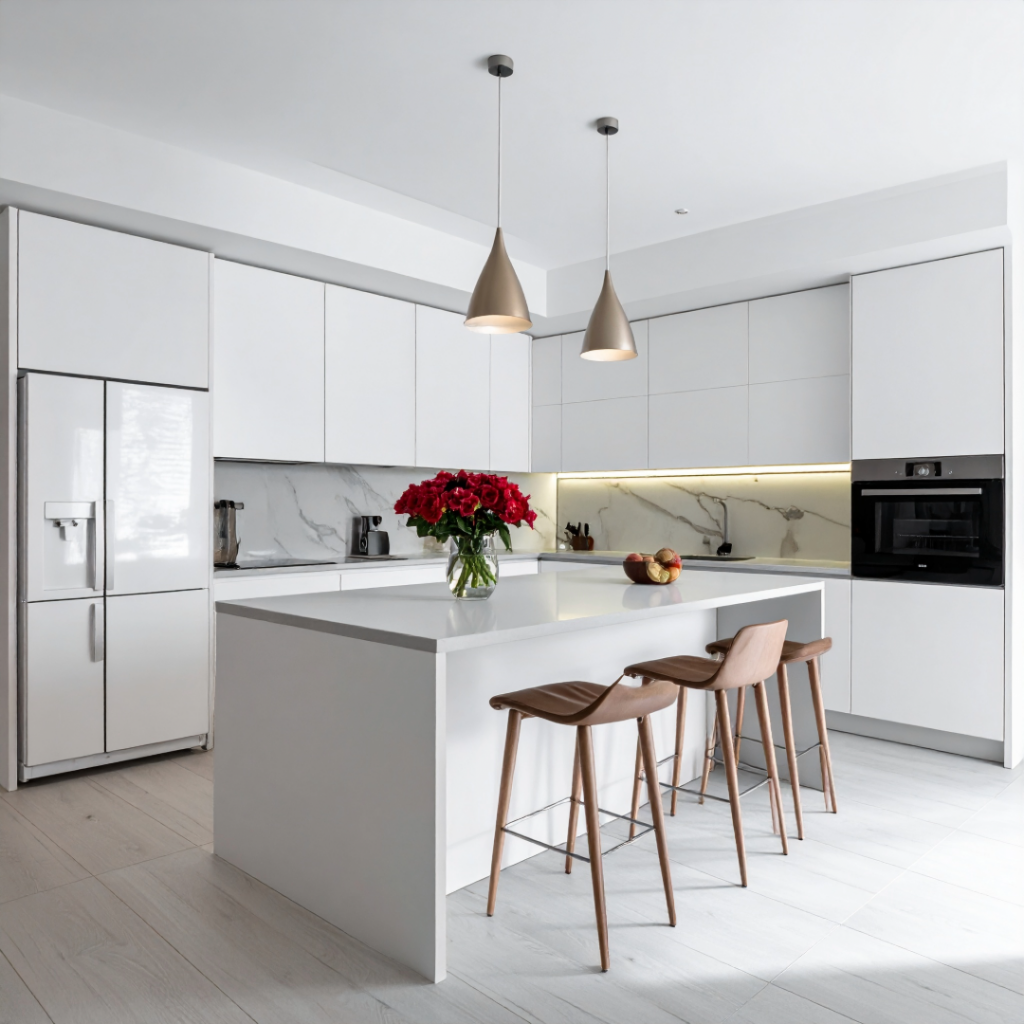
A well-stocked and well-organized refrigerator is a cornerstone of a healthy lifestyle. Knowing where and how to store your foods not only keeps them fresh longer but also makes meal prep easier and encourages healthier choices. At Health Storey, we believe that a thoughtfully arranged fridge can make all the difference in your daily nutrition habits.
Here’s a shelf-by-shelf guide to stocking your refrigerator for optimal freshness, convenience, and health.
The top shelf is the warmest area and perfect for items that don’t require ultra-cold storage.
The middle shelf tends to be the most consistent in temperature.
The bottom shelf is the coldest part of the fridge.
The door is the warmest and least stable part of your fridge.
Most refrigerators have separate drawers designed to maintain humidity levels for fresh produce.
By stocking your refrigerator thoughtfully, you create an environment that supports your health goals and reduces food waste. These simple shelf-by-shelf strategies help ensure your fridge works for you—not against you!
Ready to take control of your nutrition and meal prep? Health Storey coaches are here to guide you every step of the way toward healthier habits and a happier kitchen. Contact us today to learn more!
As we move forward into a new year, it’s the perfect time to create a vision board that embodies your dreams and aspirations for 2026. A vision board serves as a visual representation of your goals, helping to manifest your intentions and keep you motivated as you work towards achieving your dreams. In this blog post, we’ll explore how to create a vision board centered around three end-of-year goals and three short-term goals.

Vision boards are more than just a collage of images; they serve as constant reminders of what you want to achieve and can inspire positive changes in your life. Research shows that visualization techniques can increase motivation, enhance goal commitment, and boost overall happiness. By placing your vision board in a prominent place, you’ll be reminded of your goals and the steps you need to take to achieve them.
End-of-Year Goals:
First, identify three specific long-term goals you would like to achieve by the end of 2026. These goals should be ambitious yet realistic, serving as a guiding light for your journey. Consider areas such as:
Short-Term Goals:
Next, outline three short-term goals that can act as stepping stones toward your long-term aspirations. These goals should be achievable within the next few months and should be specific, measurable, and actionable. Examples include:
To create your vision board, you’ll need:
As you gather images and words that inspire you, think about how each element relates to your goals. For each end-of-year goal, select visuals that embody what success looks like for you. For example, if your goal is to travel, find images of destinations you want to explore. For short-term goals, look for visuals that represent the actions you need to take.
Once you have your materials, arrange them on your board in a way that feels visually appealing to you. You can organize by category (short-term vs. long-term) or create a more abstract design. As you place each item, take a moment to visualize yourself achieving that goal and the emotions you will feel.
Position your vision board in a place where you’ll see it daily—like your workspace, bedroom, or kitchen. This daily exposure will reinforce your intentions and keep your goals top-of-mind.
Your vision board is not just a one-time project. As you progress through the year, take time to review your goals. Celebrate the achievements you’ve made and adjust your board as needed. If new goals arise or priorities shift, feel free to update your vision board to reflect your evolving aspirations.
Creating a vision board focused on three end-of-year goals and three short-term goals can be a powerful tool for manifestation. It allows you to visualize the future you desire, prioritize what truly matters, and stay motivated along your journey. As you embark on this creative endeavor, remember that your vision board serves as a reflection of your potential and aspirations. Here’s to a transformative 2026 filled with success, growth, and vitality! 🌟
By following these steps, you can create a vision board that not only enhances your focus on your goals but also inspires you every single day. Happy crafting!